
First-Party Data: A Small Business Marketing Advantage
Why First-Party Customer Data Is Becoming More Valuable for Small Business Marketing
Businesses spend a lot of time trying to understand people they have never met.
What keywords are they searching? Which advertisements will they click? What social content interests them? Which services are they considering?
Those are important questions.
But businesses sometimes overlook another source of marketing intelligence sitting much closer to home: information generated through their own customer relationships.
This is commonly called first-party data.
Used responsibly, it can help small businesses better understand their customers, improve marketing decisions, and create more relevant communication.
What Is First-Party Data?
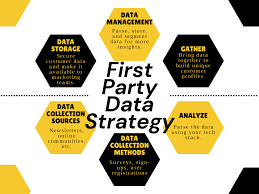
First-party data is information a business collects directly through its own interactions with customers and prospects.
Depending on the business, this might include website form submissions, customer inquiries, purchase history, appointment information, email engagement, customer preferences, service requests, CRM records, or information customers voluntarily provide.
This differs from purchasing outside lists or relying entirely on information gathered by another platform.
The business has a direct relationship with the customer.
That makes the information particularly useful because it reflects real interactions with the company's own audience.
Your Existing Customers Can Teach You About Future Customers
Imagine a roofing company reviewing its completed projects and discovering that a large percentage of profitable jobs originate from three nearby communities.
That information can influence SEO priorities, paid advertising locations, service-area content, and future promotions.
A home-services company might discover that customers who initially request one service frequently need another service six months later.
A restaurant might notice repeat customers favor certain promotions.
A professional service provider could discover that one type of inquiry converts into paying customers much more frequently than another.
Marketing becomes more informed when decisions reflect actual customer behavior.
CRM Data Can Reveal Patterns
Customer relationship management systems can help organize these interactions.
Instead of having leads scattered across emails, notebooks, spreadsheets, text messages, and someone's memory, a CRM can create a clearer record of customer activity.
That record becomes useful for answering practical questions.
Where are leads coming from?
Which services receive the most inquiries?
How quickly are leads contacted?
Which opportunities convert?
How many prospects never receive a follow-up?
That last question can be uncomfortable.
Sometimes businesses do not need more leads quite as badly as they need a better process for handling the leads they already receive.
Better Data Can Improve Advertising Decisions
First-party information can also provide context for advertising.
Suppose a Google Ads campaign produces 40 leads.
Campaign A generates 25 and Campaign B generates 15.
At first glance, Campaign A appears stronger.
But what happens if CRM data reveals that only three leads from Campaign A became customers while nine from Campaign B became customers?
Suddenly the picture changes.
Lead quantity and lead quality are not the same thing.
Connecting marketing data with actual business outcomes can help companies make smarter decisions about their pay-per-click advertising.
Customer Questions Can Fuel SEO Content
First-party information does not have to involve complicated analytics.
Sometimes the best data is sitting inside everyday customer conversations.
What questions does your staff answer repeatedly?
What concerns do customers raise before buying?
Which services confuse people?
What problems cause customers to call?
Those questions can become valuable website content.
An HVAC company repeatedly answering questions about whether a furnace should be repaired or replaced could publish an article addressing that issue.
A moving company frequently asked about packing requirements could create a helpful guide.
A contractor repeatedly explaining project timelines could build an FAQ around the process.
Our SEO services recognize that useful content frequently begins with understanding what real customers want to know.
Personalization Does Not Mean Becoming Creepy
There is a line between relevant communication and making customers wonder whether someone has been peeking through their curtains.
Businesses should collect and use customer information responsibly.
Be transparent. Protect customer information. Follow applicable privacy requirements. Give people appropriate choices about marketing communications.
Your privacy policy should accurately explain how information is handled based on your actual business practices.
Trust is difficult to build and surprisingly easy to lose.
Combine Data With Human Judgment
Marketing technology can organize information, automate follow-up, and identify patterns.
It cannot replace common sense.
A dashboard might tell you which source generated a lead. Your staff might know that the customer was referred by a longtime client before searching the company online.
Both pieces of information matter.
Strong marketing decisions combine data with the human context surrounding it.
Build an Asset Your Business Controls
Search engines, social platforms, and advertising systems are valuable channels, but businesses do not control those platforms.
Your customer relationships are different.
A well-maintained database of customers and qualified prospects can support follow-up, customer service, retention, remarketing strategies, and future growth.
The objective is not to collect information simply because technology allows it.
Collect information that helps you serve customers better and make smarter decisions.
At Shane Worley The Marketing 1 LLC, we help small and service-based businesses connect SEO, Google Ads, social media marketing, website activity, and lead management into a clearer marketing picture.
Explore our digital marketing services, visit our marketing blog, or contact Shane Worley The Marketing 1 LLC to discuss how your business can turn marketing information into better decisions.
The next great marketing insight may not come from another platform.
It may already be sitting inside your business.